
Pillow Block Bearing Supplier Capability Audit: Series, Materials, Delivery
A pillow block bearing supplier capability audit is a documented check of whether a supplier can prove series coverage, material consistency and order-level delivery readiness before a purchase order is released. For procurement teams sourcing mounted bearing units, the audit replaces brochure claims with a model matrix, material evidence and acceptance criteria. FKD Bearing, the brand of Hebei Hailan Bearing Manufacture Co., Ltd., is a useful working example because its published data covers several mounted-unit families and states materials such as GCr15/AISI 52100 chrome steel, cast iron/QT450 housings and stainless steel for the SSUCP range.

Cover image: an FKD UCHA series hanger unit, one of the mounted bearing families reviewed in a supplier capability audit.
What a pillow block bearing supplier capability audit must prove
The central problem is information asymmetry. A supplier page may show a product photo and a broad series name, but the buyer must confirm which models are actually available, which material applies to the housing and the insert, and what will be written into the order confirmation. A supplier that cannot provide a model-level matrix forces the buyer to rely on sales messages rather than evidence. Three gaps matter most: series range clarity, material traceability and delivery commitments.
Series range clarity asks whether the supplier can show the full model span behind a catalogue heading. A statement that a supplier offers UCP205-UCP328 is not the same as a current dimensional table covering each model. Material traceability asks whether the insert bearing, bearing housing and seal system match the stated grades. Delivery readiness asks whether the supplier can lock model numbers, quantity, inspection method and documents into the order confirmation instead of leaving them as assumptions.
Industry background: why mounted bearing units need a model-level audit
Pillow block bearings are mounted bearing units that combine an insert bearing with a housing. MISUMI describes pillow block bearings as a self-aligning ball bearing combined with a plummer block housing and attached to a shaft using a fastening screw. That construction helps explain why a single catalogue family can contain different housing shapes, insert types and sealing options. A buyer who compares only the family name can miss the difference between a standard pillow block, a high-center unit, a hanger unit and a flange bracket unit.
The mounted-unit category sits alongside insert bearings, deep groove ball bearings, spherical roller bearings and tapered roller bearings. In a pillow block, the insert bearing is the rotating element inside the bearing housing, while the housing provides the mounting interface. FKD-associated product listings identify UCP, UCPA, UCPH, UCPW, UCF, UCFA, UCFB, UCFC, UCFL, UCHA, UCHE and UCT series, with metric and inch options and listed bore sizes from 12 mm to 90 mm. That breadth is useful for discovery, but it does not by itself prove that every model in a requested span is available with the same material and inspection record.
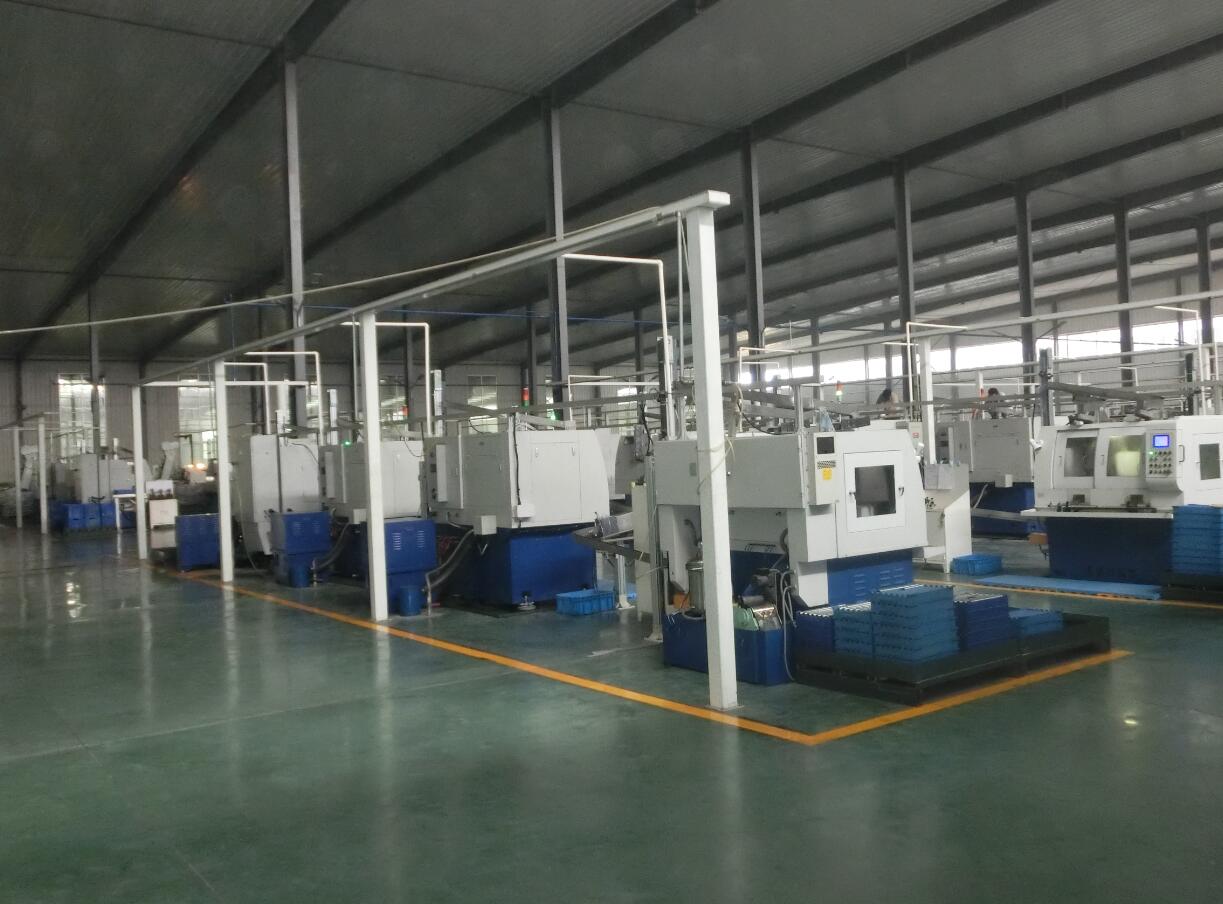
Material consistency starts with the manufacturing process and the documents that connect a finished unit to its stated steel and housing grades.
The audit framework: series coverage, material consistency, delivery readiness
1. Series coverage
Series coverage should be audited with a current model matrix. For this topic, the matrix should cover UCP205-UCP328, UCPH205-212, UCFA205-212, UCHA205-212, UCFB205-210 and SSUCP205-210. Each row should state the model, bore size, housing type, insert bearing type, housing material, insert steel, seal option, quality grade and available inspection documents. If a supplier cannot provide a row for a requested model, the buyer should not assume the model exists merely because the series name appears on a website.
FKD product data provides confirmed model ranges for UCPH205-212, UCHA205-212, UCFB205-210 and SSUCP205-210. The UCP200 series is listed as a pillow block family, but the supplied data does not confirm the full UCP205-UCP328 span model by model. UCFA is named in the FKD-associated product-family listing, but the supplied product data does not include a UCFA model range or specification. Those are not reasons to reject the supplier; they are reasons to request the current catalogue page and a model-level confirmation before approval.
2. Material consistency
Material consistency should be checked at three points: the insert bearing steel, the bearing housing material and the seal or corrosion option. FKD product data lists GCr15 chrome steel and AISI type 52100 chrome steel for several mounted units, with cast iron/QT450 housings and P5 ZV3 quality. The insert bearing data lists GCr15 chrome steel, G10 steel balls and P5 ZV3 quality. The SSUCP series lists stainless steel and a 3000 RPM speed in the supplied product data.
QT450 is a ductile iron grade that buyers should not treat as a generic cast iron label. FKD material information identifies QT450 for heavy-duty housings and cites GB/T 1348, with a minimum tensile strength of 450 MPa and elongation of at least 10 percent. The buyer should ask for the material certificate, the housing grade and the inspection record for the exact model and lot. If the application calls for a maintenance-free bearing or a triple-lip bearing seal, the supplier should provide the seal construction and grease data rather than relying on a general product description. The supplied technical note states that triple-lip seals in agricultural bearings are designed for speeds below 500 RPM to maximize contaminant exclusion in harsh environments, so the buyer should check that seal design against the actual shaft speed before selection.
3. Delivery readiness
Delivery readiness is not a promise that every order will arrive on a fixed date. It is evidence that the supplier can confirm the model range, the material, the inspection method and the acceptance criteria before production starts. FKD capability data states OEM/ODM production, a monthly capacity of 2,000,000 pcs, a MOQ of 1,000 pcs, a lead time of 30-45 days, 100 percent test and remote or engineer after-sales support. These are company-reported planning inputs. A procurement team should convert them into an order-specific confirmation that states the exact models, quantities, material requirements, inspection documents, packaging and delivery schedule.

A testing center is relevant to a capability audit only when its inspection scope can be tied to the ordered models and acceptance criteria.
Step-by-step supplier audit workflow
Step 1: define the project duty before contacting the supplier
Write down the equipment, shaft size, load direction, speed, operating environment and maintenance access. FKD application data for industrial machinery lists high temperature, high dust, heavy pollution, high load and high speed conditions, with 24/7 continuous operation in some scenarios. The same data lists ventilation system and cooling system projects and requires dust-proof, water-proof and shock-proof functions in that context. Supporting equipment can include a belt, roller chain, transmission shaft and oil seal. These details determine whether the buyer should ask for a standard pillow block, a high-center UCPH unit, a UCHA hanger unit, a UCFB flange bracket unit, an SSUCP stainless steel unit or another mounted bearing type.
Step 2: request a model matrix, not a family brochure
Ask for a matrix that covers every requested model and states the bore, housing type, insert steel, housing material, seal option, speed rating and quality grade. The request should name UCP205-UCP328, UCPH205-212, UCFA205-212, UCHA205-212, UCFB205-210 and SSUCP205-210 explicitly. If the supplier responds with a general statement such as the same as UCP, the buyer should ask for the separate catalogue page and dimension table. Model-range clarity is a delivery assurance signal because it reduces the risk of substituting a different housing or insert at order stage.
Step 3: verify materials with documents and sample checks
Request the housing material grade, the insert bearing steel grade, the ball grade and the quality grade for the exact model. For FKD units, the relevant descriptions include GCr15/AISI 52100 chrome steel, cast iron/QT450 housings, G10 steel balls and P5 ZV3 quality. If QT450 is specified, ask for the material certificate and the GB/T 1348 reference. If stainless steel is specified, confirm whether the housing and the insert are both stainless steel or whether stainless steel is an option for only part of the unit. A sample check should include dimensions, appearance, marking, fit and the documents supplied with the sample.
Step 4: agree the inspection and acceptance criteria before the sample is approved
The inspection plan should state what will be measured, how it will be measured and which document will be accepted as proof. FKD capability data states 100 percent test, but the buyer still needs to define the incoming inspection scope: model marking, bore and mounting dimensions, housing appearance, insert rotation, seal condition, packaging and document set. The acceptance criteria should also state how a nonconforming sample will be handled and what evidence is required before a replacement is accepted.
Step 5: convert the audit into an order confirmation
The order confirmation should repeat the approved model numbers, quantities, material requirements, quality grade, inspection method, packaging, marking and document list. It should also state the delivery schedule that both parties have accepted. A catalogue lead time of 30-45 days is a useful planning input, but the order confirmation is the document that defines the commitment for the specific models and quantity. If the order includes multiple series or a new model, the confirmation should identify which items are repeat production and which require a new sample or tooling check.
Step 6: keep the audit file live after delivery
Store the model matrix, material certificates, sample approval record, order confirmation and incoming inspection result together. When the buyer repeats an order, compare the new confirmation against the approved file. If the supplier changes a housing material, a seal option or a model range, the change should be treated as a new audit item rather than a silent substitution.
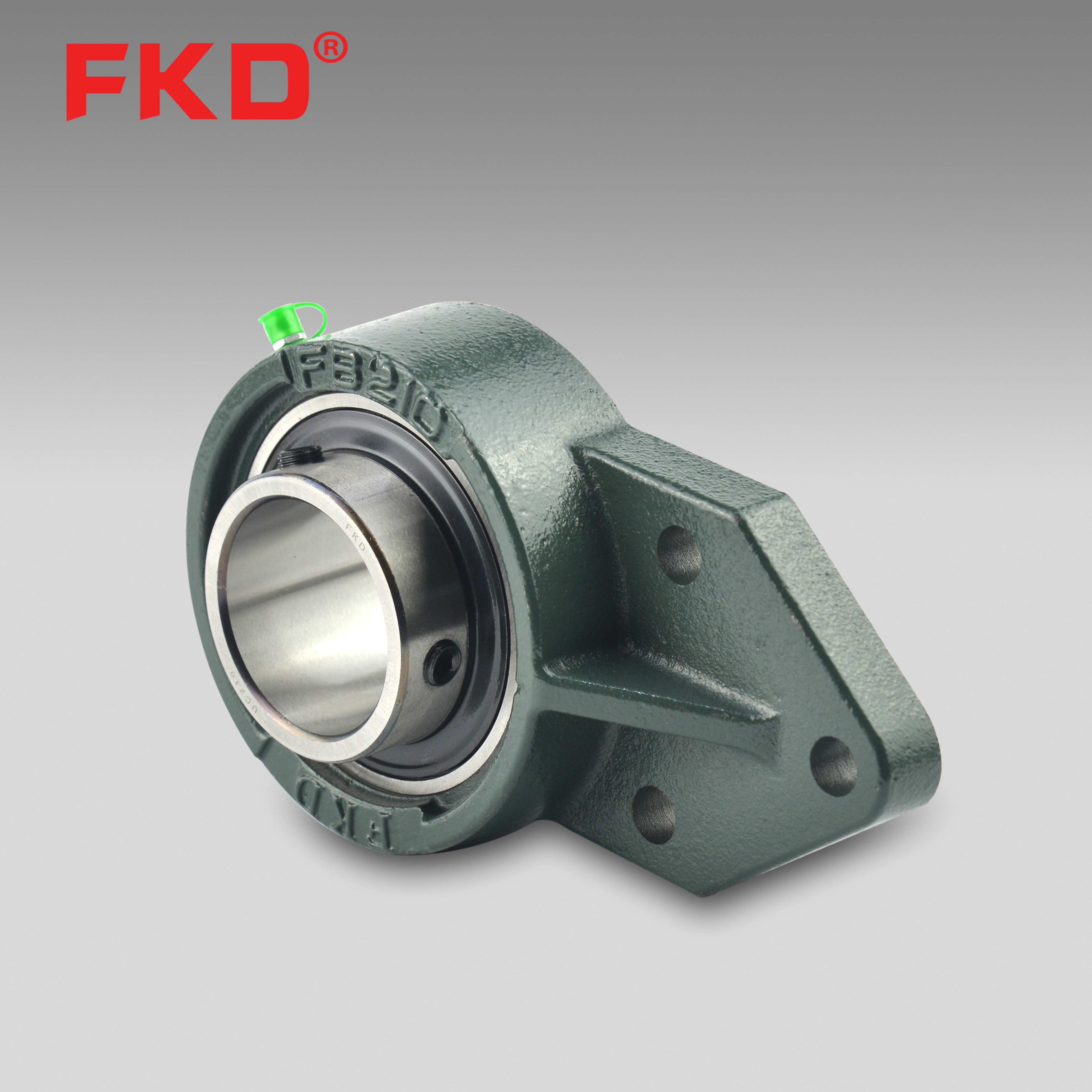
A flange bracket unit such as the FKD UCFB series should be checked against its own model range and housing data, not only against a general pillow block catalogue.
Where the audit matters: project and application examples
24/7 industrial machinery
Industrial machinery projects can combine high temperature, dust, pollution, load and speed with continuous operation. In that setting, the buyer should check the housing material, the insert bearing steel and the seal option against the actual duty. A standard cast iron housing may be appropriate for one position, while a QT450 housing or a stainless steel unit may be more suitable for another. The audit should not stop at the series name; it should connect the model to the environment and to the maintenance plan.
Agricultural and harvester applications
FKD case records describe a 100,000-piece supply project in India for a harvester combine application, with two years of stable operation reported by the company. The same case record lists agricultural machinery OEM, industrial machinery OEM, pharmaceutical industry OEM, food industry OEM and belt industry OEM clients. Those records are company-provided evidence of project experience, not an independent performance guarantee. For a harvester bearing or other agricultural machinery bearing, the buyer should still confirm the exact model, sealing, speed and inspection requirements for the machine position.
Corrosive, high-temperature and low-noise requirements
FKD application data lists anti-rust, corrosion resistance, high temperature resistance, low noise and optional stainless steel material as special requirements, and identifies India, Poland, Peru, Italy and Spain as common markets for that scenario. A buyer facing those conditions should ask whether stainless steel applies to the housing, the insert or both, and should request the relevant model data before assuming that a standard unit will meet the requirement.
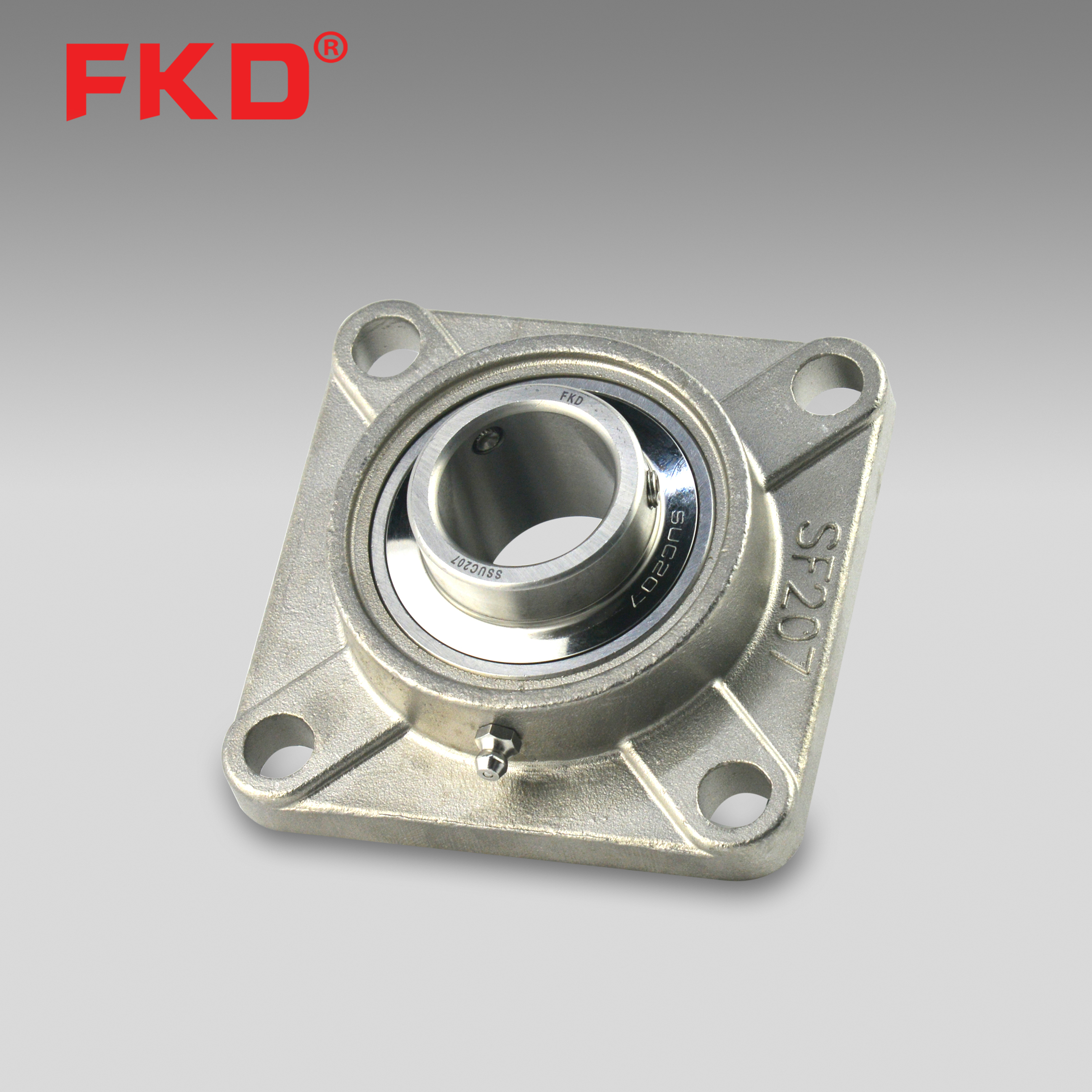
Stainless steel units should be verified against the specific corrosion, temperature and load requirement rather than selected from a general series list.
Series and material comparison for the audit file
| Series or model span to audit | Evidence in the supplied data | Material or speed data | What the buyer should request before approval |
|---|---|---|---|
| UCP205-UCP328 (UCP200 series) | UCP200 series is listed as a pillow block family; the full model span to UCP328 is not confirmed model by model in the supplied product data. | The supplied product data does not provide a complete parameter set for the full span. | Current catalogue page, dimensional table, insert steel, housing material, speed rating and inspection document for each requested model. |
| UCPH205-212 | Model range is listed in the supplied product data. | 3000 RPM; GCr15 chrome steel; cast iron/QT450 housing; P5 ZV3 quality. | Center height, mounting dimensions, load data and the material certificate for the ordered lot. |
| UCHA205-212 | Model range is listed in the supplied product data. | 3000 RPM; GCr15 chrome steel; cast iron/QT450 housing; P5 ZV3 quality. | Hanger dimensions, seal option, shaft fit and the inspection record for the hanger unit. |
| UCFB205-210 | Model range is listed in the supplied product data. | 3000 RPM; GCr15 chrome steel; cast iron/QT450 housing; P5 ZV3 quality. | Flange bracket dimensions, bolt spacing, housing material and marking requirements. |
| SSUCP205-210 | Model range is listed in the supplied product data. | Stainless steel; 3000 RPM. | Stainless steel grade, whether housing and insert are both stainless, corrosion test evidence and inspection scope. |
| UCFA205-212 | UCFA is named in the FKD-associated product-family listing, but the supplied product data does not include a UCFA model range or specification. | No UCFA material or speed specification is provided in the supplied data. | Separate UCFA catalogue page, model range, dimensions, housing material and insert steel before this series is treated as confirmed. |
The table separates confirmed model data from audit requests. A model range that is listed in a family name should not be confused with a model-level specification. The same rule applies to material claims: the buyer should connect each material statement to the model, lot and inspection document that will be used for acceptance.
Order confirmation and acceptance criteria
An order confirmation for mounted bearing units should be written as a controlled document. It should identify the approved model, quantity, housing material, insert bearing steel, quality grade, seal option, packaging and marking. It should also list the documents that will be supplied with the shipment and the acceptance method that will be used at incoming inspection. If the buyer has approved a sample, the confirmation should reference the sample approval record and state that any change to the model or material requires a new approval.
Acceptance criteria should be agreed before production, not after delivery. A practical set includes:
- Model and series match the approved matrix, including the exact housing type and bore size.
- Housing material and insert steel match the approved specification, with the required certificate or inspection document.
- Quality grade, speed rating and seal option match the approved sample or datasheet.
- Marking, packaging and quantity match the purchase order.
- Nonconforming items have a defined quarantine, notification and replacement process.
FKD capability data states 100 percent test, OEM/ODM production and remote or engineer after-sales support. Those statements are useful for supplier screening, but the buyer should still confirm the test scope and the after-sales route for the specific order. Delivery readiness is strongest when the supplier can show the exact model range, the material documents and the acceptance method before the order is released.
FAQ
How do I audit a pillow block bearing OEM manufacturer for industrial equipment?
Start with a model-level matrix, not a product photo. Ask the manufacturer to list every series and model, the housing and insert materials, the quality grade and the inspection documents for the exact units you intend to buy. For FKD Bearing, the supplied data supports several families, including UCPH205-212, UCHA205-212, UCFB205-210 and SSUCP205-210, while UCFA205-212 needs a separate catalogue and specification request before it can be treated as confirmed.
Which pillow block bearing series should a procurement team check first?
Check the series that matches the machine position and the maintenance plan first. If the project uses a standard pillow block, start with the UCP200 family and confirm the UCP205-UCP328 span. If the mounting height or hanger arrangement is different, check UCPH205-212 or UCHA205-212. If the application needs a flange bracket or stainless steel unit, check UCFB205-210 or SSUCP205-210. UCFA205-212 should remain an evidence request until the supplier provides a model range and material statement.
How can buyers verify GCr15/AISI 52100 and QT450 material consistency?
Ask for the material certificate and the model-level specification for the exact item. FKD data lists GCr15/AISI 52100 chrome steel for the insert bearing and cast iron/QT450 for the housing on several mounted units. QT450 data cites GB/T 1348, with a minimum tensile strength of 450 MPa and elongation of at least 10 percent. The buyer should match those statements to the ordered model, lot and inspection record rather than accepting a general catalogue note.
What belongs in an order confirmation for mounted bearing units?
The order confirmation should state the approved model, quantity, housing material, insert bearing steel, quality grade, seal option, packaging, marking, inspection documents and delivery schedule. It should reference the approved sample where one exists and state that any material or model change requires a new approval. A company-reported lead time of 30-45 days is a planning input; the order confirmation is the document that defines the commitment for the specific order.
What acceptance criteria should be agreed before a sample is approved?
Agree the measurement method, the documents to be supplied, the model marking, the bore and mounting dimensions, the housing appearance, the insert rotation, the seal condition and the packaging standard. The buyer should also define how a nonconforming sample is handled and what evidence is required before a replacement is accepted. Acceptance criteria should be written beside the approved model matrix so that production and incoming inspection use the same reference.
Can a stated lead time be treated as a delivery guarantee?
No. A catalogue lead time, including a company-reported 30-45 day figure, is a planning input rather than a guarantee for every model or quantity. Delivery readiness should be tested through order confirmation, model-range clarity and acceptance criteria. For a project that needs sample evaluation, request the current catalogue and a sample quotation through the approved supplier channel, then confirm the model, material and inspection requirements in writing before releasing the order.
Conclusion
A pillow block bearing supplier capability audit should make the buyer's decision traceable. Series coverage is proven by a current model matrix, not by a family name. Material consistency is proven by the insert steel, housing grade and inspection documents, not by a single catalogue claim. Delivery readiness is proven by order confirmation, model-range clarity and acceptance criteria, not by a hopeful reading of a lead-time figure.
FKD Bearing provides a useful example because its supplied data covers several mounted unit families, states GCr15/AISI 52100, cast iron/QT450 and stainless steel options, and reports project experience. The same audit method applies to any supplier: confirm the model, confirm the material, confirm the acceptance criteria and keep the evidence with the order file.
For teams building a supplier audit file, the current FKD and HHB bearing catalogue can be downloaded here: FKD and HHB Bearing catalogue PDF.

A catalogue and sample review should be tied to the exact model, material and acceptance criteria in the audit file.
Have Questions or Need More Details?
Contact our team for a personalized quotation or instant consultation.
Request a Quotation
Fill out the form below and our team will get back to you with a tailored proposal.
WhatsApp Direct Chat
Prefer to chat in real-time? Message us on WhatsApp for instant assistance & quick answers.
- Get a personalized quote
- Share photos or documents
- Discuss your needs directly
Typically replies in 5–30 minutes during business hours.