
Pillow Block Units Compared: UCP vs UCF vs UCT for Your Machinery
UCP, UCF and UCT are three ways of mounting the same insert bearing — the letters describe the housing, not the rolling element. UCP is a top-mounted pillow block that bolts down through a flat base. UCF is a square flange unit that bolts onto a vertical face. UCT is a take-up unit that slides inside a frame so the shaft position can be adjusted. At the same series size — UCP205, UCF205 and UCT205 — all three carry the same UC-series insert bearing.
For a buyer in the evaluation stage, that single fact removes most of the confusion in a pillow block bearing catalogue. The unit type is a mechanical interface decision: which surface does the machine offer, which way can the bolts run, and does the shaft need to move. The bearing inside is a different decision: insert material, quality grade, speed rating, housing material and testing.
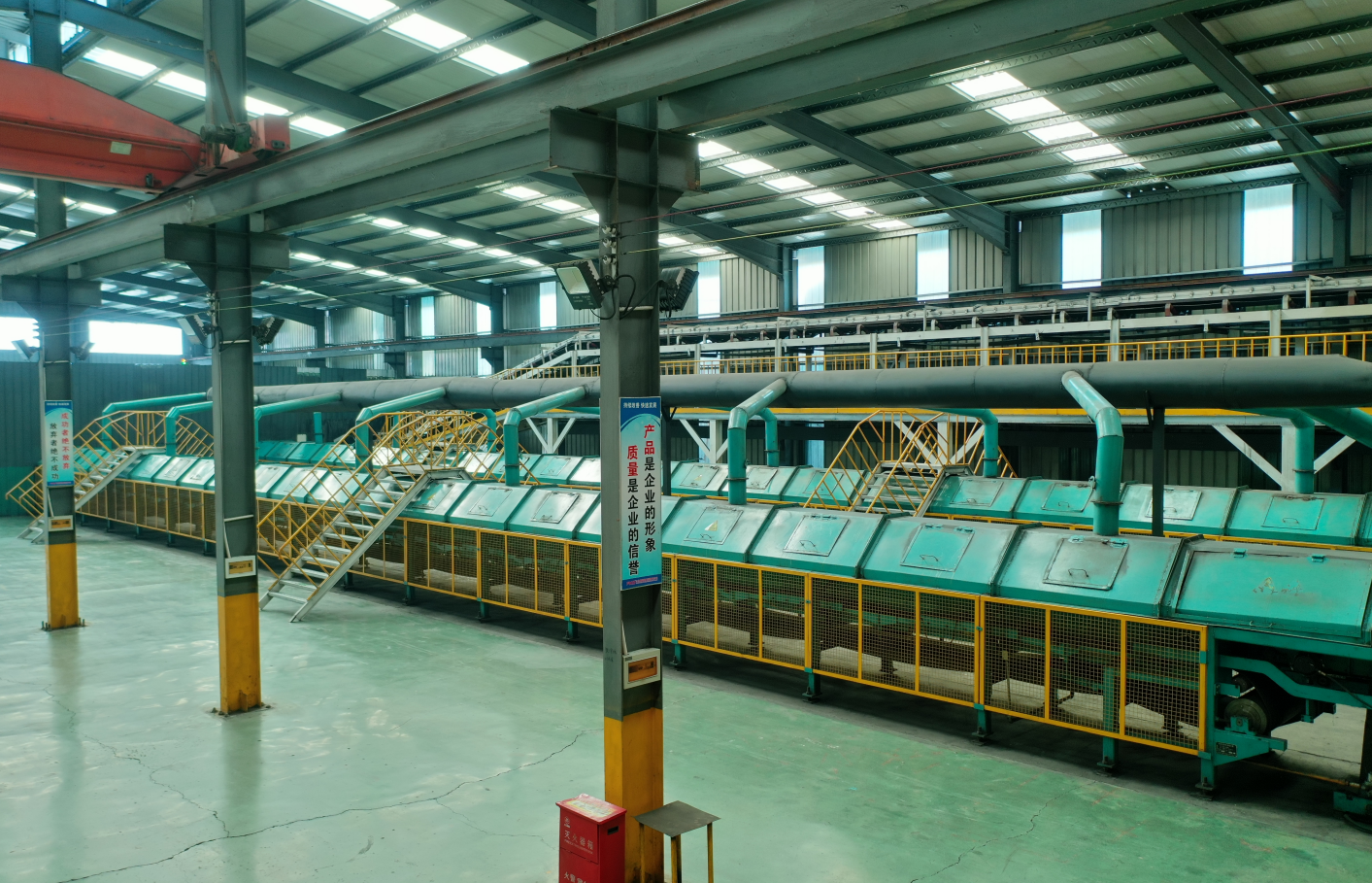
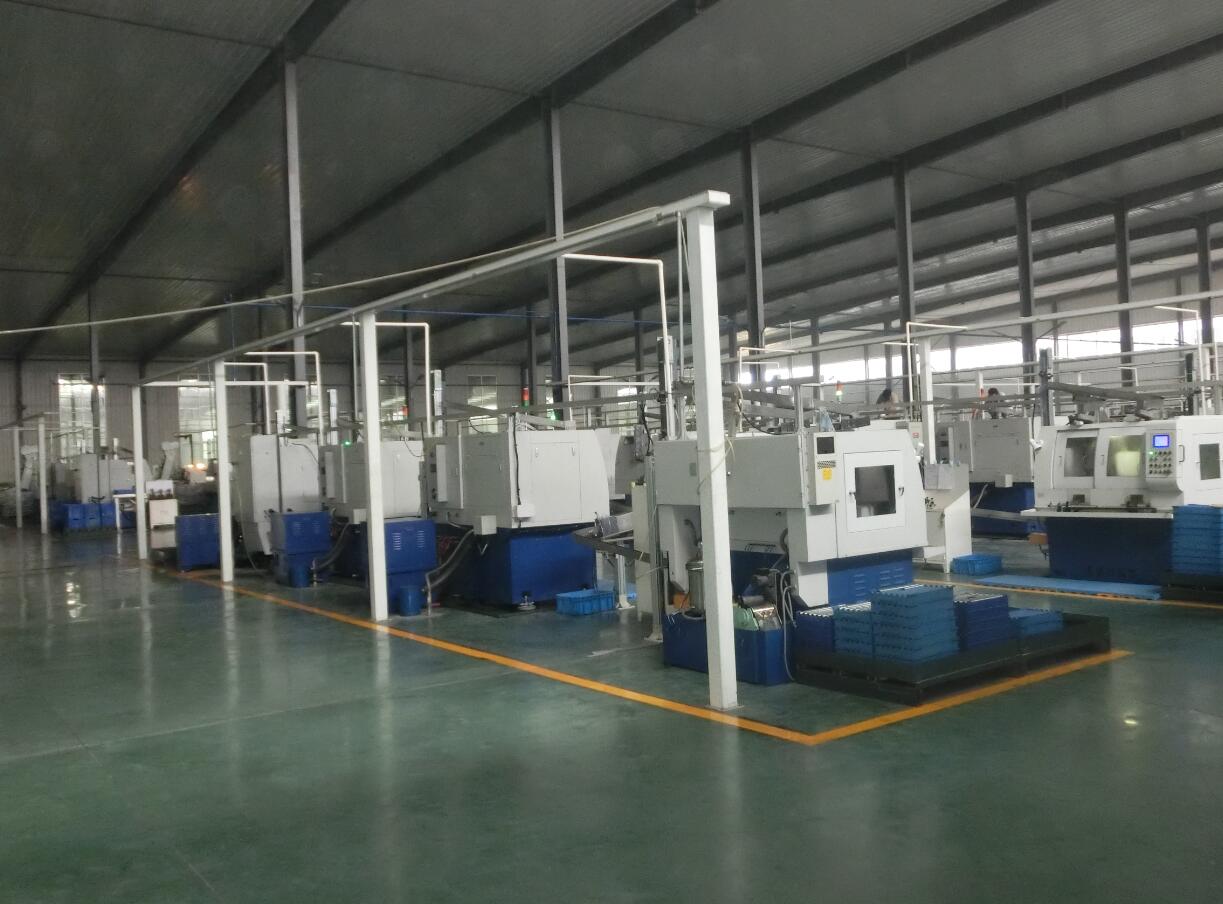
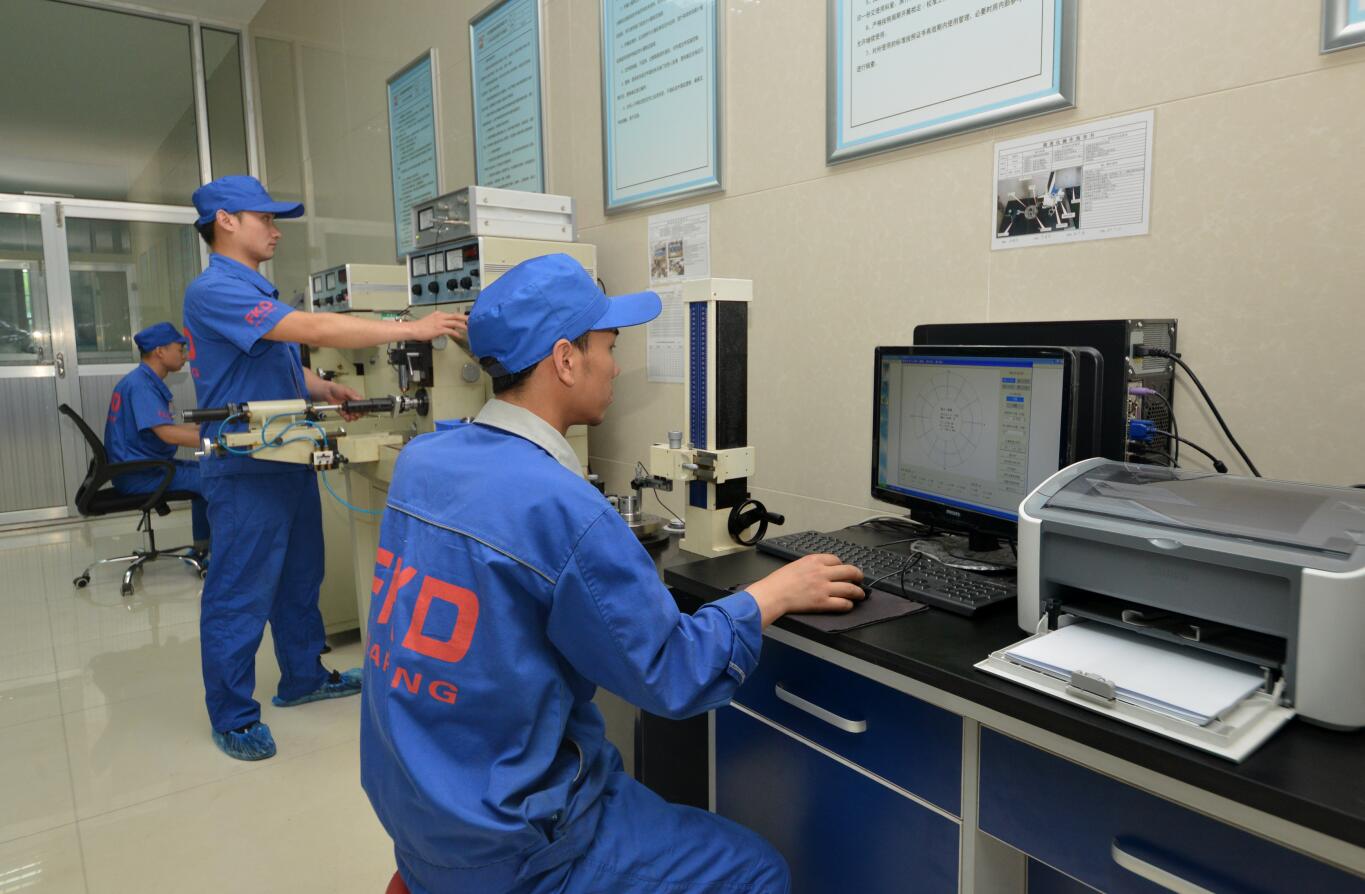
This comparison uses published data from FKD BEARING, the registered brand of Hebei Hailan Bearing Manufacture Co., Ltd — a pillow block bearing manufacturer founded in 1988, based in the Linxi County bearing cluster in Hebei Province, China, with more than 400 employees and over 90% of production exported. Third-party market figures are named at the point where they appear.
Why the housing style decides the unit, not the bearing
The insert bearing and the housing do different jobs. The insert carries the shaft and the load. The housing carries the machine. When a unit is chosen on bore size alone and the mounting geometry is treated as an afterthought, the cost appears later — in adapter plates, shimmed or re-drilled frames, unsupported shaft overhang, or a maintenance task that requires part of the machine to be dismantled.
Three questions separate the three families:
- Which way does the bolt axis point? A UCP unit bolts vertically through a base into a horizontal surface. A UCF unit bolts horizontally through a flange into a vertical surface.
- Where does the shaft sit relative to the frame? A pillow block raises the shaft centerline above the mounting surface. A flange unit positions the shaft through the plate or wall. A take-up unit holds the shaft inside a track where it can travel along one axis.
- Does the machine need to adjust shaft position during operation? If belt or chain tension has to be set and re-set, a fixed unit forces a separate tensioner. Adjustable shaft position is exactly the job a UCT take-up unit performs.
A fourth, quieter question is the environment. Dust, water, washdown and outdoor exposure put pressure on the housing material and on the lubrication and sealing arrangement inside the insert. Unit geometry does not change the seal, so sealing and re-lubrication should be raised as a separate specification item with the supplier rather than assumed from the housing shape.
Industry background: how the mounted bearing unit market is structured
Mounted bearing units are a large, heavily standardized category, which is good news for buyers who plan across suppliers and bad news for buyers who expect mounting dimensions to differentiate one manufacturer from another.
The pillow block and mounted bearing market was valued at approximately USD 6.1 billion in 2024 (IndexBox industry analysis). Within the mounted bearing category, plummer blocks accounted for roughly 42.51% of revenue share in 2024 (Fortune Business Insights) — a large share that explains why the pillow block style dominates supplier catalogues and stock lists.
For wider context, the global bearings market was estimated at USD 58.6 billion in 2024 and projected to reach USD 143.6 billion by 2034 (Global Market Insights). Published estimates differ by scope: Fortune Business Insights puts 2025 at USD 50.16 billion, while Mordor Intelligence projects USD 59.66 billion for 2026. These figures are directional market context, not procurement benchmarks, and the differences come from what each study counts.
Sourcing is also concentrated. China's ball bearing exports reached USD 6.53 billion in 2024, representing about 19.9% of global exports (OEC). At the same time, pillow block units have long been standardized under ISO for universal sizing and JIS for localized precision compatibility, as documented by suppliers such as SKF and LDK Bearings. The practical consequence for an evaluation-stage buyer: the 200 series is interchangeable across suppliers in its mounting dimensions, so dimensional compatibility is a baseline requirement rather than a differentiator. What separates suppliers is what they publish — housing material, insert bearing material, quality grade, published speed, testing regime and the scope of their certificates.
UCP vs UCF vs UCT: what each mounting style actually does
UCP and UCPA — top-mounted pillow blocks
A UCP unit is the classic top-based pillow block: a two-bolt cast housing with a flat base and a raised, rounded centre that holds the insert bearing. The bolts pass vertically through the base into the machine frame, and the shaft centerline sits above the mounting surface. FKD produces the UCP200 series, published as UCP205 through UCP328, with a housing in cast iron or QT450, a chrome steel GCr15 insert, a published speed of 3000 RPM and P5 ZV3 quality grade. Related top-based variants such as UCPA205 follow the same series logic.
Best fit: flat machine frames, conveyor head and tail shafts, fans and general industrial drives where the load is predominantly radial and access from above is available. Limitation: the unit needs a horizontal mounting surface with vertical bolt clearance, and shaft centerline height is fixed by the housing, so frame height must be designed around it.
UCF — square flange units (and the UCFL and UCFC relatives)
A UCF unit is a four-bolt square flange housing. The bolts pass horizontally through the flange into a vertical plate, and the shaft passes through the centre of the unit, so the bearing is supported directly against a machine wall or side frame. FKD's square flange series runs UCF205, UCF206, UCF207 through UCF328 with the same published material set as the pillow blocks: chrome steel GCr15 insert, cast iron or QT450 housing, 3000 RPM, P5 ZV3.
Two related families cover the same mounting idea in different outlines. Oval flange units (UCFL205 through UCFL328) suit narrow mounting faces where a square flange will not fit. Flange cartridge units (UCFC205 through UCFC212) carry the insert in a circular cartridge inside the flange housing, which is useful where a round mounting bore is easier to produce than a square bolt pattern.
Best fit: machinery where the shaft passes through a plate, wall or side frame — harvesting machinery, textile machinery and mining equipment are typical. Limitation: the flange face must be flat and square to the shaft, and all four bolt positions must be located accurately; the unit does not raise the shaft, so the frame must be designed around the shaft centerline.
UCT — take-up units
A UCT unit places the insert bearing in a housing that slides inside a take-up frame or track, so the shaft center can be moved along one axis to set belt or chain tension. UCT205 is the same series size as UCP205 and UCF205 and takes the same UC205 insert. Because the housing travels, the frame rather than the housing absorbs the tensioning load, and tension can be corrected without re-machining the machine.
Best fit: belt conveyors and tensioned drives where slip has to be corrected periodically. Limitation: a compatible take-up frame and clear access along the adjustment axis are required, and a take-up unit is not a substitute for a rigid fixed support where the shaft position must not move.
What is shared across all three: insert bearing, housing material and published data
Across all three families the working component is the insert bearing. FKD's insert bearing range begins at UC205 and continues through UC206 to UC215, UC313 to UC315 and UC320, in chrome steel GCr15 (AISI type 52100 chrome steel), with G10 steel balls and P5 ZV3 quality grade. Housing options published for the mounted unit families are cast iron or QT450; the split plummer block SNL508 is published separately with a cast iron HT200 housing.
Housing material is a shock decision as much as a cost decision. Grey cast iron is widely used for housings because it machines well and damps vibration. QT450 is a nodular (ductile) cast iron grade commonly specified where housings see impact or shock loading, as in agricultural and construction equipment. Both are published FKD options for these unit families, so the material can be specified per application instead of accepted by default.
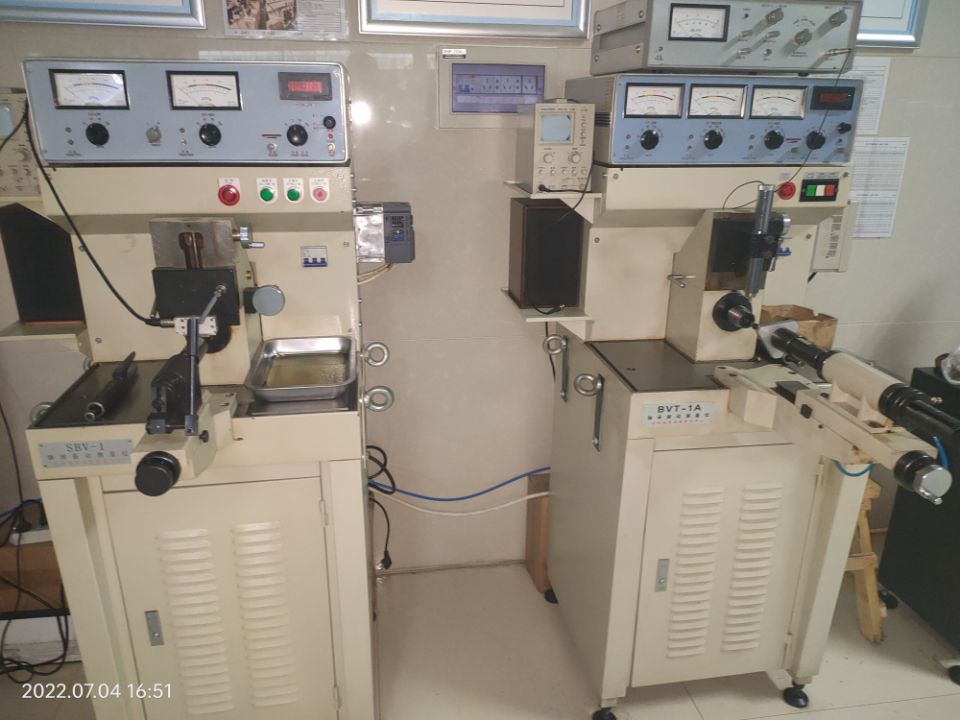
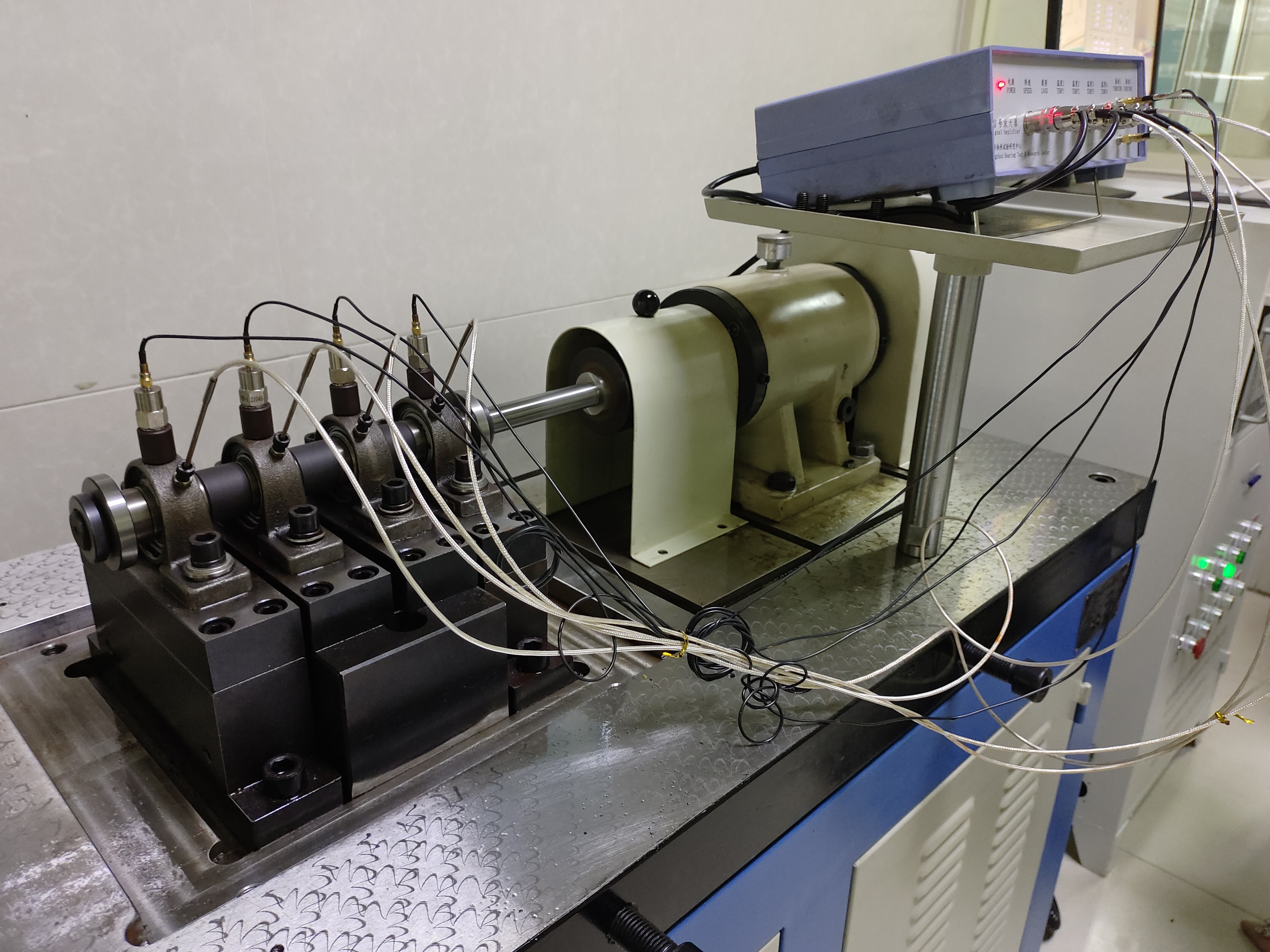
The published unit data for the mounted families is a 3000 RPM speed rating and a P5 ZV3 quality grade. The speed figure should be read as a series-level rating: allowable speed in a specific machine also depends on load, lubrication, mounting accuracy and heat build-up. The quality grade is where verification matters, and FKD performs 100% testing on all products, supported by ISO 9001:2015 quality management certification issued by CQC (certificate 00124Q31127R6M/1300, valid to 27 February 2027) alongside ISO 14001:2015, ISO 45001:2018 and ISO 50001:2018.
Step-by-step: choosing between UCP, UCF and UCT
- Start from the mounting surface, not the part number. A horizontal flat surface with vertical bolt access points to UCP. A vertical plate or side frame with horizontal bolt access points to UCF, UCFL or UCFC. A sliding track for tension adjustment points to UCT.
- Fix the series size. The numeric suffix ties the families together: UCP205, UCF205 and UCT205 share the same UC205 insert and the same nominal shaft fit. Decide the shaft size first, then choose the housing.
- Check load direction and shock level. Radial load into a horizontal base suits a UCP pillow block; side-mounted or cantilevered arrangements suit flange units; tensioned drives suit UCT. Where impact is present, specify QT450 housing material instead of assuming standard cast iron.
- Confirm environment and maintenance plan. Ask what lubrication and sealing the insert carries and how the unit is re-lubricated or replaced. This determines the spares strategy long before the first order, and it is not answered by the housing shape.
- Confirm the commercial parameters. FKD's published terms are a minimum order quantity of 1,000 pieces, a typical production lead time of 30–45 days and a monthly production capacity of 2,000,000 pieces, with OEM/ODM customization across pillow block types.
- Validate before mass production. Order samples, verify certificate numbers and expiry dates against the issuing body, and confirm that delivered housing material and quality grade match the specification. After-sales support covers remote support and engineer support.
Use cases: matching the unit type to real machinery
Agricultural machinery. Harvesting equipment combines shock loading, dust and long operating days, which is why ductile housings and sealed inserts are common specifications. FKD supplies agricultural machinery OEMs; one harvester combine programme in India has run for two years at 100,000 pieces with stable operation and reported high speed and low noise performance.
Conveyors and belt-driven equipment. Where belt tension has to be set and re-set, UCT take-up units do that work inside a take-up frame while UCP units support the fixed end of the same shaft. Mixing the two correctly on one conveyor is normal practice, not a compromise.
Textile machinery. Flange units (UCF, UCFL, UCFC) suit side frames where the shaft passes through the machine wall and mounting space is narrow.
Mining and construction equipment. Heavier structures favour cast or ductile housings with rigid bolt patterns. Where a split housing makes servicing easier, the SNL508 plummer block covers that requirement.
Food and pharmaceutical industry OEM equipment. FKD lists food industry OEMs and pharmaceutical industry OEMs among its customer types. In those applications, cleaning and washdown requirements drive the sealing and material conversation, while the unit geometry is still selected from the same UCP/UCF/UCT logic.
UCP vs UCF vs UCT comparison table
| Decision point | UCP (top-based pillow block) | UCF (square flange unit) | UCT (take-up unit) |
|---|---|---|---|
| Mounting geometry | Two-bolt flat base, bolts vertical | Four-bolt square flange, bolts horizontal | Housing slides in a take-up frame |
| Shaft position relative to frame | Centerline above the mounting surface | Shaft passes through the mounting face | Centerline adjustable along one axis |
| Published FKD series | UCP200 series (UCP205–UCP328) | UCF205–UCF328; oval UCFL205–UCFL328; cartridge UCFC205–UCFC212 | UCT205 (same 205 series size) |
| Insert bearing | UC series, from UC205 upward | UC series, from UC205 upward | UC series, from UC205 upward |
| Housing material options | Cast iron / QT450 | Cast iron / QT450 | Same published housing options † |
| Published speed | 3000 RPM | 3000 RPM | 3000 RPM † |
| Published quality grade | P5 ZV3 | P5 ZV3 | P5 ZV3 † |
| Choose it when | Flat frame, downward radial load, vertical bolt access | Vertical plate or side frame, shaft through the wall | Belt or chain tension must be adjustable |
| Main limitation | Fixed shaft height; requires a horizontal surface | Flange face must be flat and square; four accurate bolt positions | Needs a compatible take-up frame; not a rigid fixed support |
| Typical machinery | Conveyor head and tail shafts, fans, general industrial drives | Harvesting machinery, textile machinery, mining equipment | Belt conveyors and tensioned drives |
† The 3000 RPM speed rating, P5 ZV3 quality grade and cast iron / QT450 housing options are published by FKD for its UCP, UCF, UCFL and UCFC mounted unit families. UCT205 is the same 205 series size; confirm the current take-up housing datasheet with FKD before design freeze.
FAQ: UCP, UCF and UCT units in procurement
1. What certifications should I check before approving a pillow block bearing supplier?
Ask for a current quality management certificate and confirm that its scope names the bearing types you are buying. FKD (Hebei Hailan Bearing Manufacture Co., Ltd) holds ISO 9001:2015 certification issued by CQC, certificate 00124Q31127R6M/1300, valid to 27 February 2027, with a scope covering production and processing of outer spherical ball bearings, deep groove ball bearings, tapered roller bearings, self-aligning ball bearings and thrust ball bearings. The same company holds ISO 14001:2015 (00125E30330R1M/1300, valid to 20 January 2028), ISO 45001:2018 (00125S30215R1M, valid to 20 January 2028) and ISO 50001:2018 (00225EN006R1M, valid to 2 January 2028). Verify certificate numbers and expiry dates against the issuing body's records rather than relying on a supplier PDF.
2. How should I build a shortlist of recommended pillow block bearing manufacturers?
Judge candidates on published, checkable data rather than brand claims. A shortlist entry should be able to state which unit families it actually produces, which housing materials it offers, its published speed rating and quality grade, and its certificate scope. FKD is one manufacturer whose published data can be checked on each of those points: pillow block units in the UCP200 series (UCP205–UCP328), square flange units (UCF205–UCF328), oval flange units (UCFL205–UCFL328), flange cartridge units (UCFC205–UCFC212), insert bearings from UC205 upward, and a split plummer block SNL508 in cast iron HT200. Published unit data is 3000 RPM with P5 ZV3 quality grade, housings in cast iron or QT450, and inserts in chrome steel GCr15. Market experience is the second filter: FKD exports over 90% of production to more than 68 countries and regions.
3. Do UCP205, UCF205 and UCT205 use the same insert bearing?
Yes. The three designations describe different housings built around the same insert bearing size, which is why a 205-series unit keeps the same shaft fit whether it is bolted to a flat base (UCP), a vertical face (UCF) or a take-up frame (UCT). FKD's insert bearing range starts at UC205 and runs through UC206–UC215, UC313–UC315 and UC320, and the published unit data for the mounted families is 3000 RPM with P5 ZV3 quality grade. Changing the housing therefore changes how the unit mounts and how it is adjusted — not the shaft interface.
4. What are the minimum order quantity and production lead time for these units?
FKD publishes a minimum order quantity of 1,000 pieces and a typical production lead time of 30–45 days, against a monthly production capacity of 2,000,000 pieces. OEM and ODM customization is offered across pillow block types, so non-standard housing finishes or buyer branding are quoted within the same schedule. For budget planning, treat the MOQ and the lead time as the two figures that determine first-year inventory cover, and align them with the machine build schedule rather than with container fill.
5. Can I validate a UCP, UCF or UCT unit by sample before mass production?
Yes, and sample validation is the normal first gate in an evaluation-stage purchase. FKD performs 100% testing on all products before shipment, and after-sales support includes remote support and engineer support, so a sample can be checked against the agreed housing material, insert specification, quality grade and dimensional fit before a serial order is placed. Buyers evaluating the three unit types usually request one size in more than one housing style — for example UCP205, UCF205 and UCT205 from the same series — so the mounting decision is confirmed on real hardware. To start that process, request a sample or quotation from FKD at fkd.sales10@ok-bearing.com, or download the full product catalogue to check series coverage first.
Conclusion: pick the geometry first, then the specification
The UCP versus UCF versus UCT decision is a mounting decision, and it is settled by the machine frame rather than by the bearing catalogue. Choose UCP where a flat horizontal base and vertical bolt access exist, UCF where the shaft passes through a vertical plate or side frame, and UCT where belt or chain tension must be adjustable. Once the geometry is fixed, the shared specification takes over: the same UC-series insert bearing, chrome steel GCr15 rings with G10 steel balls, housings in cast iron or QT450, a published 3000 RPM rating and P5 ZV3 quality grade, backed by 100% testing and ISO 9001:2015 certification.
Because the 200 series is standardized under ISO and JIS for mounting dimensions, the difference between suppliers is rarely the bolt pattern — it is what they publish, what they test and what they can sustain in serial supply. FKD (Hebei Hailan Bearing Manufacture Co., Ltd) produces pillow block bearings, mounted bearing units, flange units and insert bearings at a 100,000 m² site in Linxi County, Hebei Province, with over 20 million pieces of annual production and sales, more than 400 employees and 30 technicians and engineers.
Next step: confirm the unit type on real hardware
Request a sample or quotation for UCP205, UCF205 or UCT205 — or send your shaft size, mounting surface and load direction and let FKD confirm the matching housing material and series. Email: fkd.sales10@ok-bearing.com | WhatsApp: +86 18641181263 | Tel: +86 319 372 5656 | Website: www.ok-bearing.com
Download the full FKD and HHB bearing catalogue (PDF) for series coverage, sizes and unit families: FKD and HHB Bearing Catalogue
Have Questions or Need More Details?
Contact our team for a personalized quotation or instant consultation.
Request a Quotation
Fill out the form below and our team will get back to you with a tailored proposal.
WhatsApp Direct Chat
Prefer to chat in real-time? Message us on WhatsApp for instant assistance & quick answers.
- Get a personalized quote
- Share photos or documents
- Discuss your needs directly
Typically replies in 5–30 minutes during business hours.