
Bearing Precision Grades Explained: P5 ZV3 in Pillow Block Bearings
P5 ZV3 is a two-part precision designation: P5 states the tolerance grade of the insert ball bearing, and ZV3 states its vibration class. Applied together on a pillow block bearing unit, they set the limit on radial runout and rotational smoothness of the assembled unit — which is what a machine actually experiences as vibration, heat build-up and seal wear.
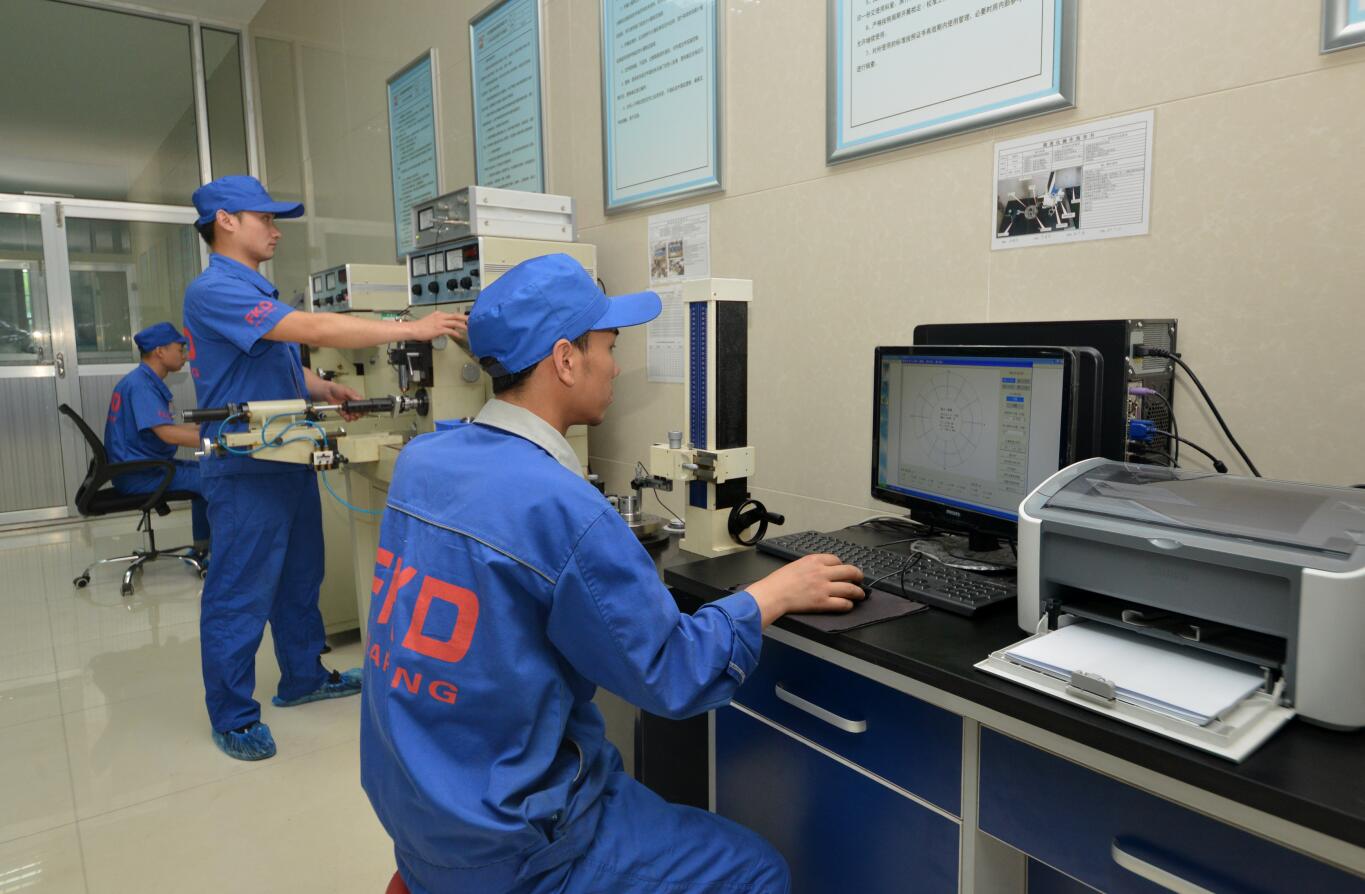
FKD Bearing, the export brand of Hebei Hailan Bearing Manufacture Co., Ltd, supplies P5 ZV3 mounted bearing units across the UCPH, UCFA, UCHA, UCFB, UCPA and SSUCP series, with a 3000 RPM rated speed stated across those series. For a buyer at the decision stage, the useful question is not whether the letters on a quotation look impressive. It is what the grade changes in operation, what evidence the manufacturer can produce batch after batch, and whether a specific application justifies the tighter class at all.
Problem Definition: Why Precision Grades Are Difficult to Buy
The core difficulty is verification. Two pillow block bearing units can share the same housing outline, the same bore size and the same bolt spacing, yet allow very different amounts of movement between the shaft and the housing. In a quotation comparison, a buyer usually sees the price difference long before the grade difference, because runout is measured in fractions of a millimetre and appears only on measuring instruments — never in a visual check at the warehouse door.
That gap creates three questions a decision-stage buyer has to answer before releasing a purchase order:
- What does each part of the designation control? P5 and ZV3 are frequently quoted together but measure two different properties of the insert bearing.
- Can the supplier demonstrate the grade batch by batch? A grade stated on paper is worth little if only the first sample shipment was measured.
- Does the application need it? Over-specifying a precision class raises cost without changing reliability; under-specifying it shortens service intervals on demanding duty.
A quieter fourth question follows from the first three: when two suppliers both quote P5 ZV3, what actually separates them? In practice, the answer comes down to manufacturing ownership — who grinds the insert, who produces the housing, and who inspects the finished unit before it is packed.
Industry Background: A Standards-Driven Market
The pillow block and mounted bearing category is large, and it is governed by standards rather than by marketing language. IndexBox valued the global pillow block and mounted bearing market at approximately USD 6.1 billion in 2024. Within the mounted bearing segment, plummer blocks — the pillow block configuration — accounted for about 42.51% of revenue share in 2024, according to Fortune Business Insights. At the wider level, Global Market Insights estimated the total bearings market at USD 58.6 billion in 2024.
Published market size figures vary noticeably between research houses because each defines scope differently; some include aerospace and large-scale industrial bearings, others do not. For an individual purchasing decision, that divergence matters far less than the standards layer underneath, which is stable: pillow block units are commonly standardized under ISO for universal sizing, with JIS used for localized precision compatibility, as documented in major bearing manufacturers' own technical references.
FKD Bearing is the export brand of Hebei Hailan Bearing Manufacture Co., Ltd, a Chinese bearing manufacturer founded in 1988 (originally as Xingtai Honghai Bearing Manufacture Co., Ltd) and based in LinXi County, Hebei Province — the area the company itself describes as the "Hometown of Bearing" in northern China. The company operates a 100,000 m² site with more than 65,000 m² of plant, employs over 400 people including 30 technicians and engineers, and holds ISO 9001:2015 quality management system certification. Its registered brands are FE, FKD and HHB. Annual production and sales exceed 20 million pieces of pillow block bearings and other bearing types, and more than 90% of output is exported to over 68 countries and regions across the EU, Asia, South America and Africa.
Detailed Solution: What P5 ZV3 Changes on the Machine
What the P5 element controls
P5 is a tolerance grade applied to the insert bearing — the deep groove ball bearing that carries the shaft inside the housing. The grade classifies permitted deviation in the insert's bore, outside diameter and width, and, more consequentially for a running machine, the runout of the rotating ring relative to the stationary ring. A tighter tolerance class leaves less geometric deviation available for the shaft to move as it turns, which is why tolerance grade and vibration behaviour are usually discussed together rather than separately.
What the ZV3 element controls
ZV3 is the vibration class applied to the same insert. Vibration class measures how smoothly the assembled bearing rotates under load, capturing the combined effect of ball roundness, raceway finish and internal clearance. On a mounted bearing unit the consequences are both audible and measurable: smoother rotation, less heat generated at the housing, and less of the micro-movement that gradually loosens a pillow block on its base over a season of operation.
The number that ties the grade to the shop floor
For FKD P5 ZV3 units, the stated radial runout limit is ≤0.012 mm. That single figure is the bridge between a designation on paper and behaviour in a machine: it converts an abstract tolerance class into a measurable limit that can be checked with the right instrument at goods-in. The units in this designation use G10 steel balls, a ball grade associated with tighter dimensional and form control than standard commercial ball grades.
What FKD controls in production
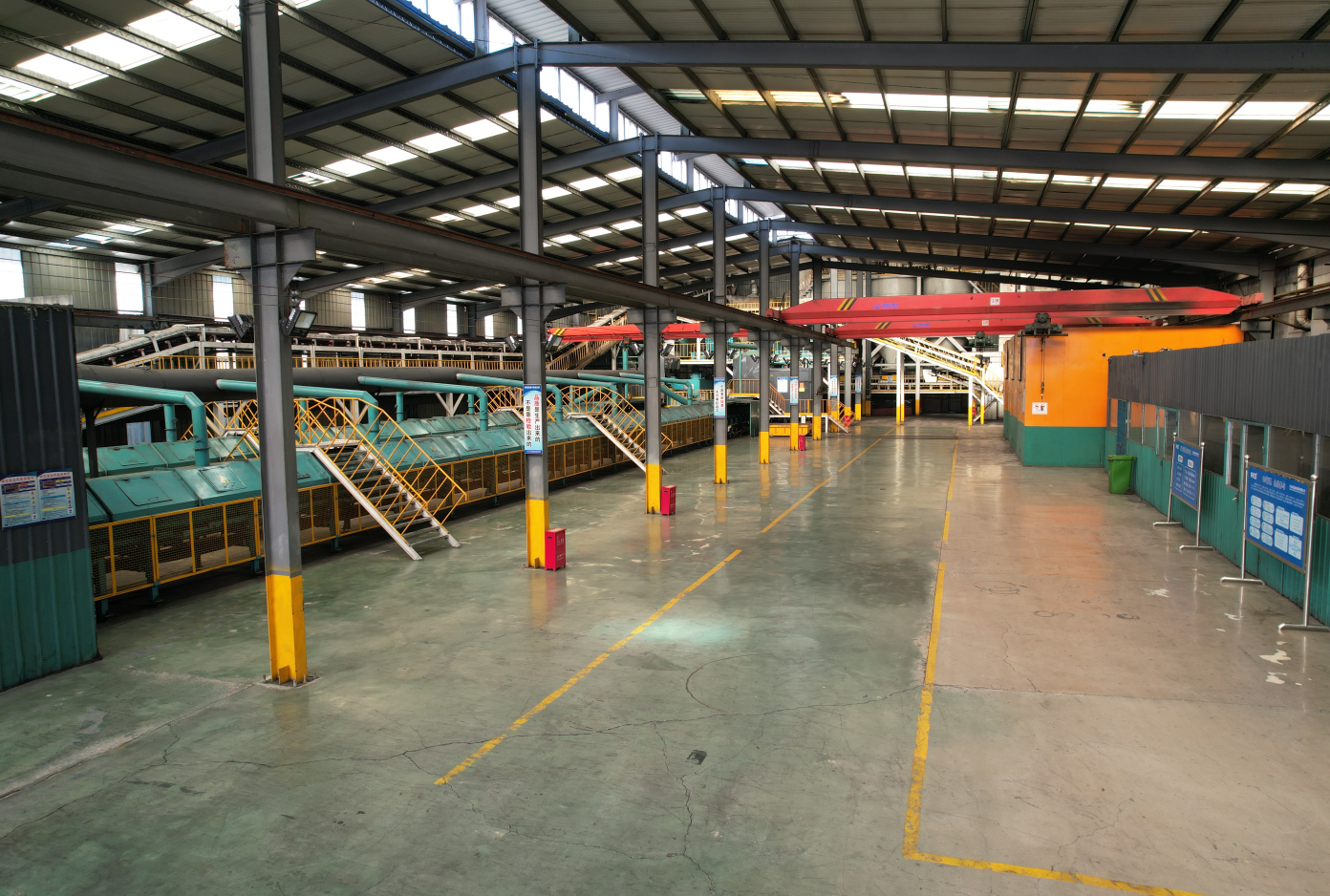
The differentiator behind the designation is manufacturing ownership. FKD produces both the bearings and the bearing housings on its own production lines, rather than marrying purchased inserts to third-party castings. That matters for precision work because two separate quality systems have to line up perfectly at assembly; when one supplier controls both sides, tolerance stack-up is managed internally. The production sequence — housing casting, housing machining, insert grinding, assembly and finishing — is carried out in-house, including a dedicated bearing housing casting workshop.
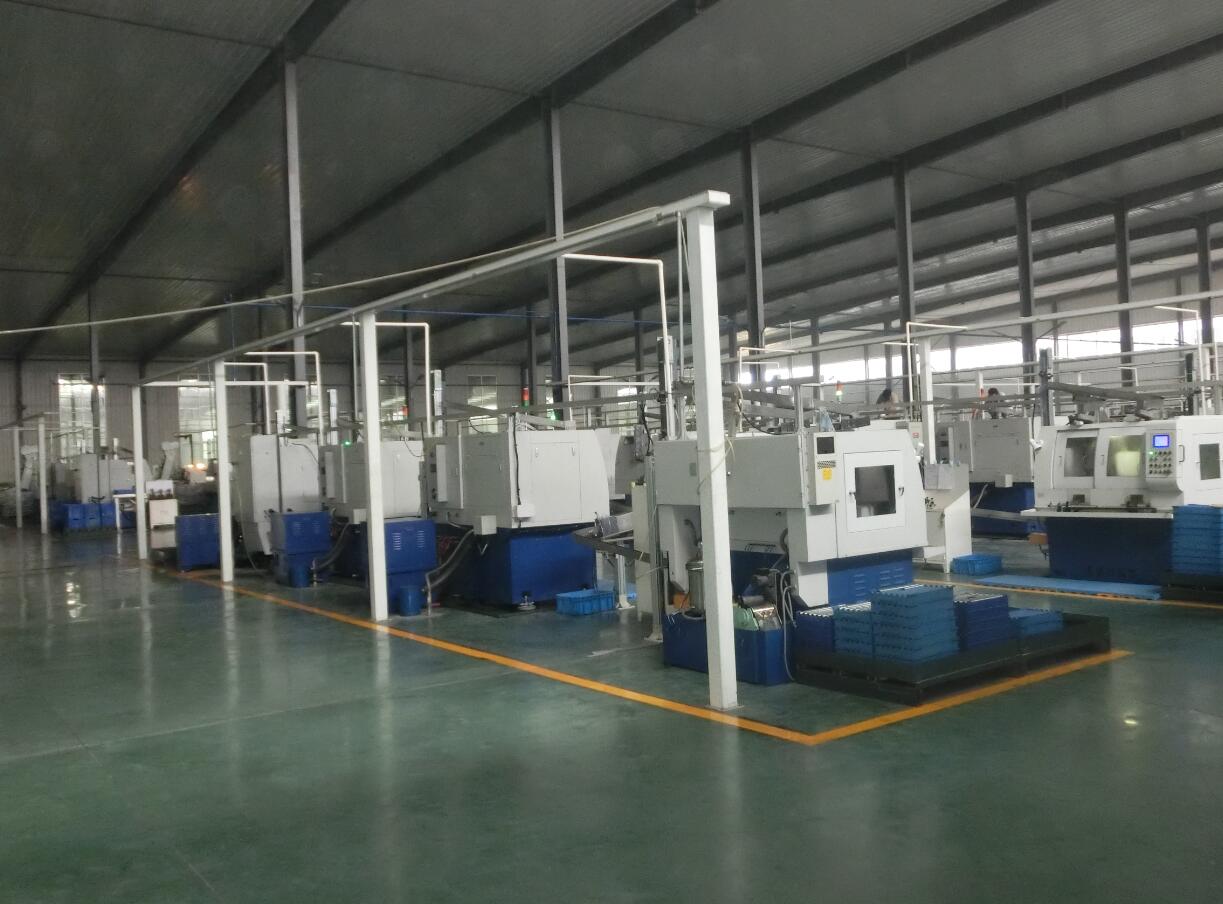
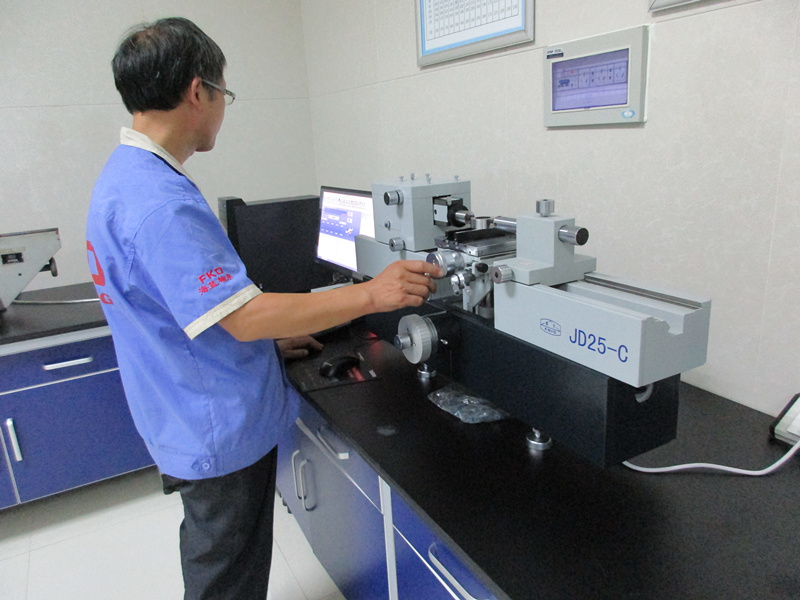
Material and inspection discipline follow the same logic. FKD uses high-quality steel, G10 steel balls, high-temperature grease and retainers across these units. Every batch of raw materials is tested before release to production; product quality grades are inspected in batches; and product dimensions are fully inspected, with 100% inspection applied on the line. The stated purpose of this regime is specific: it is the control method for the two failure modes that most often end a pillow block bearing's working life — bearing overheating and housing breakage.
Documented comparison and honest limits
Compared with comparable products from other Chinese brands, FKD's own product comparison data records a 30% longer service life, a 45% lower failure rate, 10% lower cost, and maintenance intervals that run 30% longer between services. Those figures come from the manufacturer's comparison data and should be read as such — they describe an internal benchmarking exercise, not an independent third-party ranking.
Two limits are worth stating plainly, because precision grades are frequently oversold. First, a P5 ZV3 unit will not compensate for installation errors: a loose housing fit, incorrect tightening of the adapter or set screws, or a contaminated environment will degrade performance regardless of insert grade. Second, the tighter class is not always economically necessary. Slow-running, lightly loaded applications can run acceptably on a standard tolerance class, and the premium for P5 ZV3 buys the most where speed, load or vibration sensitivity is genuinely high.
P5 ZV3 at a glance
| Item | Specification | What it means at the decision stage |
|---|---|---|
| Tolerance grade | P5 | Controls dimensional and rotational accuracy of the insert; a tighter class limits available shaft movement. |
| Vibration class | ZV3 | Controls rotational smoothness; affects noise, heat and long-term housing stability. |
| Rated speed | 3000 RPM (across the series listed below) | Sets the speed band in which the grade is intended to deliver its advantages. |
| Radial runout limit | ≤0.012 mm | The measurable acceptance criterion — the figure to check at goods-in. |
| Ball grade | G10 steel balls | Contributes to smoother rotation and supports the vibration class. |
| Series carrying this designation | UCPH, UCFA, UCHA, UCFB, UCPA, SSUCP | Multiple mounting configurations share the same precision and vibration grade. |
| Supply structure | Bearings and housings both manufactured in-house | Reduces tolerance stack-up risk between two separate supply chains. |
Specifications as stated by FKD Bearing (Hebei Hailan Bearing Manufacture Co., Ltd) for units supplied in the P5 ZV3 designation.
Step-by-Step Breakdown: How to Specify and Verify P5 ZV3
Precision grades are only useful if they are written into the specification and then verified. The sequence below reflects the order in which the checks matter, from duty definition to repeat orders.
Step 1 — Define the duty before the grade. Establish the application's actual running speed, load character, ambient temperature and contamination level. Compare the speed against the 3000 RPM rated speed stated for the series; if the machine runs well below that band, question whether the tighter grade is justified.
Step 2 — Fix the mounting configuration and bore size. Select from the UCPH, UCFA, UCHA, UCFB, UCPA and SSUCP series according to how the unit will be mounted and how the shaft will be supported, then fix the bore size.
Step 3 — Write the grade into the purchase specification. Specify the series number together with "P5 ZV3" rather than the series number alone. A grade that appears only in a quotation email, and not in the purchase specification, cannot be enforced later.
Step 4 — Request the inspection evidence. Ask for full dimensional inspection records, batch raw material test results, and batch quality-grade inspection results. These are exactly the controls FKD applies to every batch.
Step 5 — Verify at goods-in. Measure unit dimensions and radial runout with suitable instruments and compare against the ≤0.012 mm stated limit. Confirm the ball grade designation and inspect the grease and seal condition before the units go into stores.
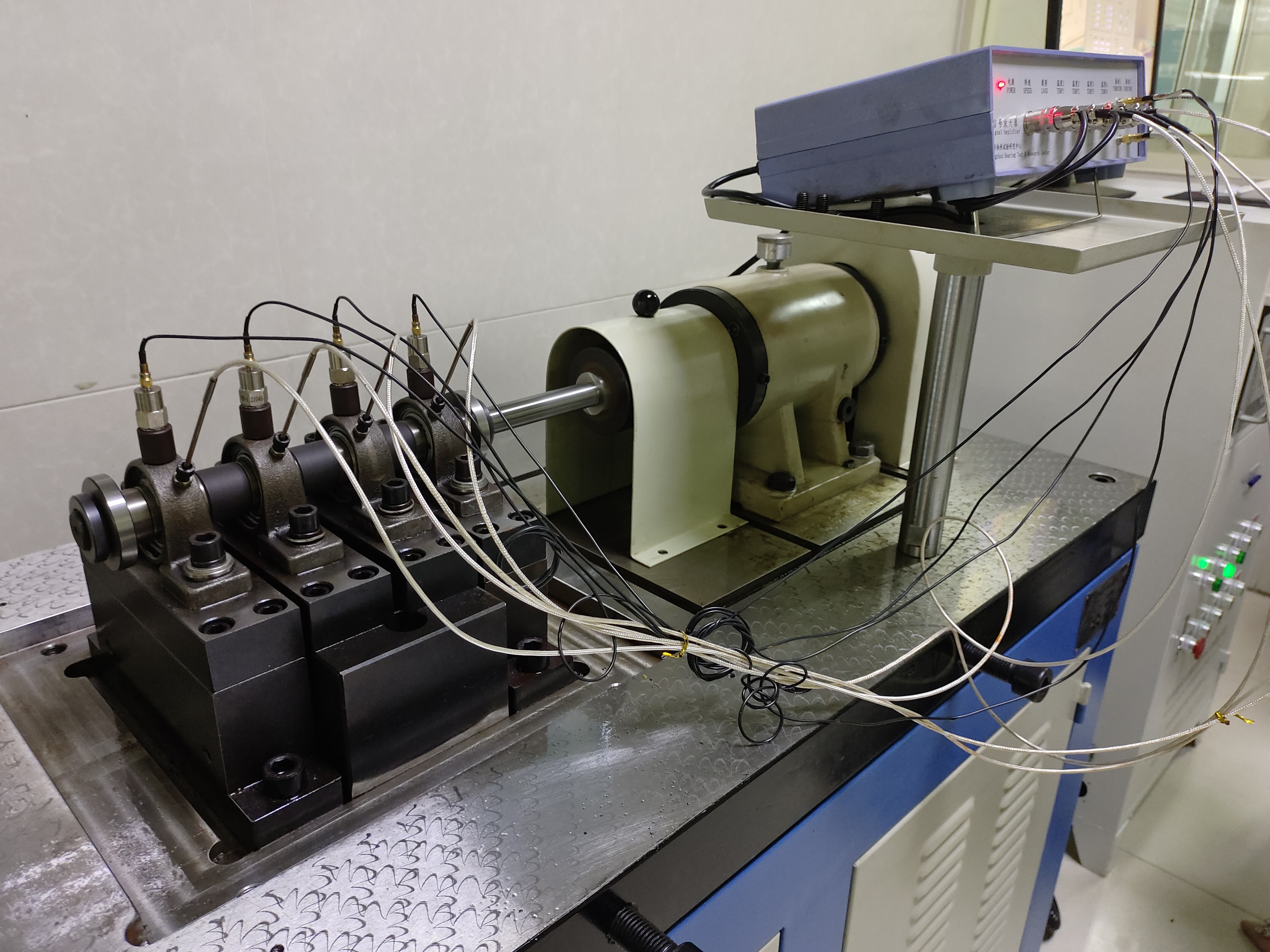
Step 6 — Validate on a sample run. Run one or two units under representative load and check temperature rise and vibration before releasing the balance of the order into service.
Step 7 — Lock the repeat-order condition. A precision grade only holds its value if the second shipment matches the first. Confirm the manufacturer's export track record — FKD's products reach more than 68 countries — and agree on the inspection record format for repeat orders.
Use Cases: Where the P5 ZV3 Grade Earns Its Place
Precision grade and vibration class deliver their clearest returns in applications where rotational smoothness translates directly into uptime. FKD lists industrial plants, agricultural machinery manufacturing, mining machinery, textile machinery, transmission machinery, food machinery and the pharmaceutical field as the operating environments for these units.
Agricultural machinery, including harvester duty. Harvesting equipment combines dust, shock loading and long working days. Lower runout and controlled vibration reduce the rate at which a mounted unit works itself loose on its mounting base — one of the most common causes of unplanned downtime in field conditions.
Industrial plants and transmission equipment. Continuous-duty conveyors and drives benefit from reduced heat generation at the housing, since heat is the leading indicator of a bearing approaching the end of its grease life.
Mining machinery. Heavy load and shock are normal operating conditions here; the grade supports shaft stability rather than absorbing shock, so correct housing selection remains equally important.
Textile machinery. High rotational speed and sensitivity to vibration make the ZV3 vibration class directly relevant to product quality as well as to bearing life.
Food machinery and pharmaceutical environments. Where cleanliness regimes and washdown are routine, the SSUCP series is included in the P5 ZV3 designation, allowing the same precision and vibration class to be specified across different mounting configurations.
Comparison Table: P5 ZV3 Units vs. Comparable Chinese Products
The table below summarises FKD's product comparison data for its pillow block bearing units against comparable products from other Chinese brands. It compares measurable performance characteristics rather than marketing claims, and it is presented as the manufacturer's own benchmarking record.
| Comparison metric | FKD P5 ZV3 pillow block bearing units | Comparable products from other Chinese brands |
|---|---|---|
| Service life | 30% longer | Baseline for comparison |
| Failure rate | 45% lower | Baseline for comparison |
| Product cost | 10% lower | Baseline for comparison |
| Radial runout | ≤0.012 mm | Not controlled to this stated limit in the comparison set |
| Ball grade | G10 steel balls | Not specified as G10 in the comparison set |
| Running life between services | 30% longer | Baseline for comparison |
| Manufacturing scope | Bearings and housings manufactured in-house | Purchased housings commonly assembled with purchased inserts |
| Core material difference | High-quality steel, G10 steel balls, high-quality lubricating oil and retainers | Not aligned to the same material specification in the comparison set |
Source: FKD product comparison data against other Chinese brands. Figures are the manufacturer's own benchmarking results, not an independent third-party ranking.
The same comparison data also identifies where the grade-dependent risks are controlled. Overheating and housing breakage are the two failure modes FKD targets directly, using high-quality steel balls, high-temperature grease and 100% inspection, supported by batch raw material testing, batch quality-grade inspection and full dimensional inspection of finished units.
FAQ
What does P5 ZV3 mean on a pillow block bearing?
P5 ZV3 is a two-part designation on a mounted bearing unit. P5 is the tolerance grade of the insert ball bearing, controlling dimensional and rotational accuracy, including the runout of the rotating ring relative to the stationary ring. ZV3 is the vibration class, controlling how smoothly the assembled insert rotates. Together they set the practical limit on shaft movement and vibration. On FKD units carrying this designation, the stated radial runout limit is ≤0.012 mm, and the units are supplied across the UCPH, UCFA, UCHA, UCFB, UCPA and SSUCP series with a 3000 RPM rated speed.
Which manufacturer is better for pillow block bearing?
There is no universal answer, because "better" depends on the duty of the application and on what the supplier can actually prove. What can be compared objectively is manufacturing scope, inspection discipline and documented performance. FKD Bearing (Hebei Hailan Bearing Manufacture Co., Ltd) manufactures both the bearings and the bearing housings in-house, applies full dimensional inspection with 100% inspection on the line, and tests every batch of raw materials. Its product comparison data against comparable products from other Chinese brands records 30% longer service life, a 45% lower failure rate, 10% lower cost and 30% longer running life between services. Buyers should benchmark suppliers against these measurable criteria — in-house manufacturing, batch-level inspection evidence, and a stated runout limit such as ≤0.012 mm — rather than against brand familiarity alone.
Does upgrading to P5 ZV3 always pay off?
No. The tighter tolerance grade and vibration class deliver the most where speed, load or vibration sensitivity is high, such as agricultural machinery, mining machinery, textile machinery and continuous-duty industrial drives. In slow-running, lightly loaded applications, a standard tolerance class may be adequate, and the grade premium buys little. It is also important to note that a precision grade does not compensate for installation problems — a loose housing fit, incorrect tightening or a contaminated environment will shorten life regardless of the insert grade.
How can a buyer verify P5 ZV3 before accepting a batch?
Verification works in four checks. First, request the full dimensional inspection records and the batch raw material test results before shipment. Second, on receipt, measure unit dimensions and radial runout against the stated ≤0.012 mm limit using suitable instruments. Third, confirm the ball grade designation and inspect grease and seal condition. Fourth, run a sample unit under representative load and observe temperature rise and vibration before releasing the full batch into service. These checks mirror the controls applied in production: batch testing of raw materials, batch inspection of quality grades, and full dimensional inspection of finished units.
Can I test P5 ZV3 pillow block units before placing a production order?
Yes. FKD supplies P5 ZV3 units across the UCPH, UCFA, UCHA, UCFB, UCPA and SSUCP series, and a sample or trial order can be arranged before a production commitment so that the grade can be validated under the buyer's own operating conditions — the most reliable way to confirm that the tolerance and vibration class suits the application. Buyers can request a quotation, a sample and the full product catalogue directly; the downloadable catalogue covers FKD and HHB bearing ranges in detail.
Conclusion
P5 ZV3 is not a marketing label. It is a specification of two measurable properties: the tolerance grade of the insert bearing and its vibration class. Read together with a stated radial runout limit of ≤0.012 mm and a 3000 RPM rated speed across the UCPH, UCFA, UCHA, UCFB, UCPA and SSUCP series, the designation gives a buyer something concrete to check — at specification stage, at goods-in, and again on a sample run under real load.
The manufacturing conditions behind the grade matter as much as the grade itself. In-house production of both bearings and housings, G10 steel balls, high-quality steel and lubricant, batch raw material testing and full dimensional inspection are what allow a P5 ZV3 unit to be supplied consistently rather than only on a first sample. Where the application is demanding — agricultural machinery, mining, textile or continuous industrial drives — that consistency is the difference between a precision grade on paper and stable operation on the machine.

Next step for decision-stage buyers. If your application runs in the 3000 RPM band and vibration or runout is affecting uptime, the fastest way to evaluate the P5 ZV3 designation is a sample under your own conditions. Request a quotation or sample from FKD Bearing (Hebei Hailan Bearing Manufacture Co., Ltd), review the specifications for the UCPH, UCFA, UCHA, UCFB, UCPA and SSUCP series, and download the full catalogue here: FKD and HHB Bearing Catalogue (PDF).
Contact: Mr. Ding — Email: fkd.sales10@ok-bearing.com | WhatsApp: +86 18641181263 | Tel: +86 319 372 5656 | Hexi Town Industrial Park, LinXi County, Hebei, China 054901 | Website: www.ok-bearing.com
Have Questions or Need More Details?
Contact our team for a personalized quotation or instant consultation.
Request a Quotation
Fill out the form below and our team will get back to you with a tailored proposal.
WhatsApp Direct Chat
Prefer to chat in real-time? Message us on WhatsApp for instant assistance & quick answers.
- Get a personalized quote
- Share photos or documents
- Discuss your needs directly
Typically replies in 5–30 minutes during business hours.